In English, there are three primary ways of forming plurals:
- Adding s, as in dogs and cats.
- Adding es, as in peaches.
- Adding an apostrophe and s, used in forming the plurals of letters, as in t‘s.
Of course, there are some irregular words that do not comply with any of the above rules, such as goose and its plural geese, and moose and its plural moose.
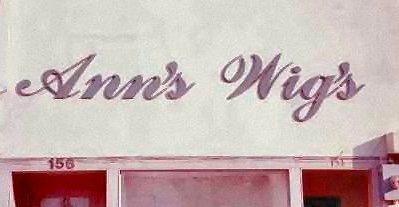 What seems to be the most common error involving the formation of plurals is the use of an apostrophe and s for forming the plurals of regular words. The apostrophe is only correct when forming the plurals of letters and dates. For any other words, it is incorrect. Thus, writing the plural of apple as apple’s–instead of apples–is considered poor English and should be avoided. Of course, keep in mind that apostrophes do serve a couple of other purposes, one of which is to show possession. In such a case, using an apostrophe to write the apple’s peel would be completely correct.